
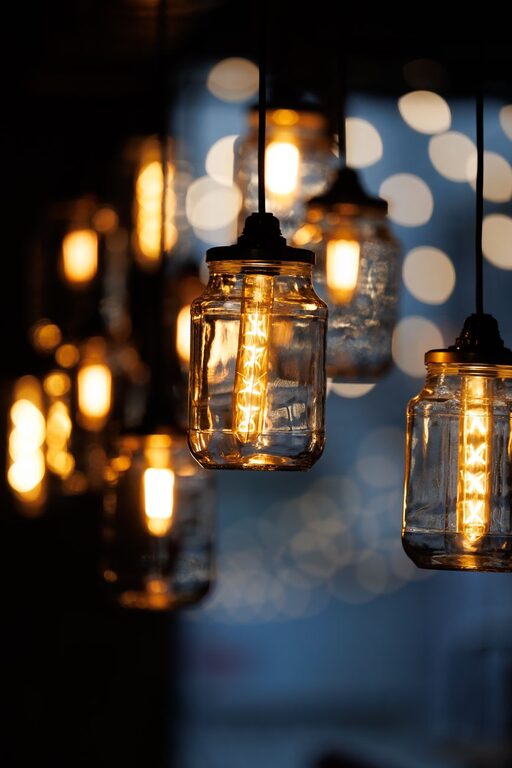
Creating a comfortable atmosphere at home starts with choosing the right lighting. Good lighting can transform your space—making it cozy, functional, and inviting. However, selecting lighting that suits your needs while enhancing comfort can be tricky. In this post, we’ll guide you through essential tips for choosing comfortable home lighting that fits your lifestyle and style.
Why Comfortable Lighting Matters
Lighting affects not only the look of your home but also your mood and productivity. Harsh or dim lighting can cause eye strain, headaches, and disrupt your daily routines. Comfortable lighting balances brightness, color temperature, and placement to create a welcoming environment.
Understand Different Types of Lighting
Before making choices, it helps to know the basic types of lighting:
– Ambient Lighting: The general, overall light that fills a room. Examples include ceiling fixtures and recessed lights.
– Task Lighting: Directed light that helps with specific activities such as reading, cooking, or working. Desk lamps and under-cabinet lights are good examples.
– Accent Lighting: Highlights artwork or architectural details to add depth and interest.
A comfortable space usually combines these types in layers.
Tips for Choosing Comfortable Home Lighting
1. Consider Natural Light First
Maximize daylight by using window treatments that allow sunlight while reducing glare, such as sheer curtains or blinds. Natural light boosts mood and reduces the need for artificial lights during the daytime, contributing to comfort.
2. Select the Right Color Temperature
Light bulbs come in various color temperatures measured in Kelvins (K):
– Warm White (2700K-3000K) creates a cozy and relaxing ambiance.
– Neutral White (3500K-4100K) suits workspaces and kitchens.
– Cool White or Daylight (5000K-6500K) mimics daylight but can feel harsh if overused indoors.
For most living areas, warm or neutral white lights offer the most comfortable setting.
3. Choose Dimmable Fixtures
Dimmable lights give you control over brightness, enabling you to adjust lighting based on the time of day or activity. Installing dimmer switches can help you create a soft, relaxing atmosphere or bright light for tasks without changing bulbs.
4. Use Multiple Light Sources
Avoid relying on a single overhead fixture. Layer your lighting by combining ceiling lights with floor lamps, table lamps, and wall sconces. This approach reduces shadows and glare, making the space more inviting and easier on your eyes.
5. Mind the Placement of Lights
Place task lighting directly where needed, such as a reading lamp beside your chair or under-cabinet lights in the kitchen. Position accent lights to gently highlight points of interest without overwhelming the room.
6. Pay Attention to Bulb Brightness
Light bulbs are rated in lumens (lm), measuring brightness. For comfortable home lighting:
– Living rooms and bedrooms typically need 1,500 to 3,000 lumens.
– Kitchens and bathrooms often require 4,000 to 8,000 lumens.
– Task areas should have brighter, focused light.
Using multiple bulbs with appropriate brightness can create a balanced environment.
7. Consider Energy Efficiency
LED bulbs consume less energy, last longer, and come in different color temperatures and brightness levels. Choosing LED lighting is both eco-friendly and cost-effective while maintaining comfort.
8. Reduce Glare and Flicker
Glare from bright, unshielded bulbs can cause discomfort. Look for fixtures with diffusers or shades to soften light. Also, choose bulbs and fixtures that don’t flicker, as flicker can strain your eyes even if it’s not always noticeable.
Common Lighting Mistakes to Avoid
– Too Bright or Too Dim: Both extremes cause discomfort. Aim for balanced, adjustable lighting.
– Overusing Cool Light at Night: Cool, blue-toned lights can interfere with your sleep cycle. Use warmer tones in the evening.
– Ignoring Shadows: Shadows can make rooms feel gloomy or cause strain. Layer lighting to minimize harsh shadows.
– Neglecting Fixtures Style: Lighting fixtures should blend with your decor to create a cohesive, comfortable feel.
Final Thoughts
Comfortable home lighting is about balance and flexibility. By mixing light types, adjusting brightness, and choosing the right color temperature, you can tailor your lighting to fit any mood or task. Remember to consider natural light, use energy-efficient options, and place lights thoughtfully.
With these tips, you’ll create a home environment that feels both relaxing and visually pleasing. Take the time to experiment and enjoy the glow of a well-lit space!