
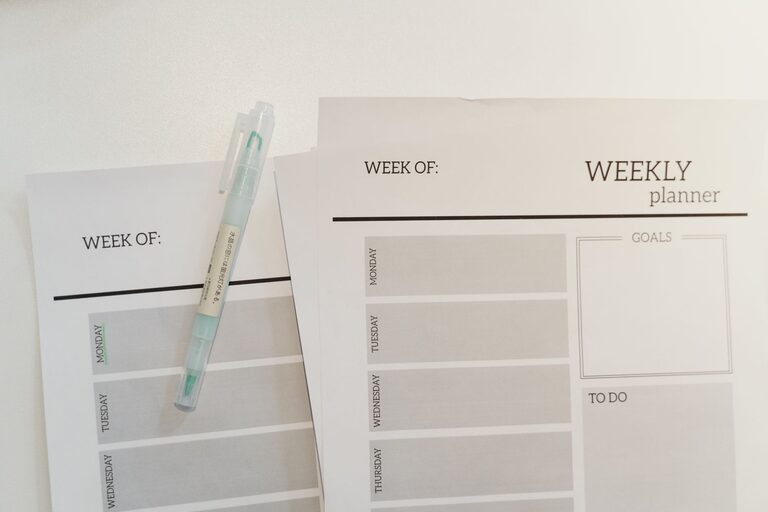
Setting realistic weekly goals is a powerful way to boost your productivity and maintain motivation throughout the week. When goals are clear and attainable, they provide direction and a sense of accomplishment. However, setting goals that are too ambitious can lead to frustration and burnout. This guide will help you learn how to set practical weekly goals that fit your lifestyle and keep you moving forward.
Why Set Weekly Goals?
Weekly goals are short-term targets that help break down larger objectives into manageable steps. They keep your focus sharp, making it easier to prioritize tasks and track progress. Unlike annual or monthly goals, weekly goals are flexible and can be adjusted based on your current pace and circumstances.
Steps to Set Realistic Weekly Goals
1. Reflect on Your Long-Term Objectives
Start by reviewing your bigger goals, whether they are related to your career, health, or personal growth. Weekly goals should contribute to these larger aims, so having them in mind helps you choose meaningful tasks.
2. Assess Your Time and Energy
Look at your schedule for the upcoming week. Be honest about how much time and energy you can dedicate to your goals. Overcommitting can cause stress and reduce your effectiveness.
3. Prioritize Key Tasks
Identify the most important activities that will move you closer to your objectives. Focus on a few high-impact tasks rather than trying to do everything at once.
4. Make Goals Specific and Measurable
Instead of vague goals like “exercise more,” choose something concrete like “go for a 30-minute walk three times this week.” This clarity helps you know when a goal is achieved.
5. Break Down Larger Goals
If a goal seems big, break it into smaller steps. For example, if you want to write a report, your weekly goals could include researching, outlining, and drafting sections.
6. Set a Realistic Number of Goals
Aim for a manageable list—usually three to five goals per week is suitable for most people. This keeps your to-do list focused and achievable.
7. Write Your Goals Down
Documenting goals improves commitment and accountability. Use a planner, journal, or digital tool to keep track.
8. Plan for Obstacles
Anticipate possible challenges and think of solutions in advance. For example, if you expect a busy day, plan lighter goals or reschedule tasks.
9. Review and Adjust
At the end of the week, review your progress. Celebrate completed goals and analyze those you didn’t meet. Adjust your approach for the next week accordingly.
Tips for Staying on Track
Use Time Blocking
Allocate specific time blocks for each goal or task to create a structured routine. This method helps reduce procrastination.
Limit Distractions
Identify common distractions and minimize them during goal-related work. This could mean turning off notifications or finding a quiet workspace.
Stay Flexible
Life can be unpredictable. If you can’t complete a goal, adjust your plan instead of getting discouraged.
Celebrate Small Wins
Recognizing progress, no matter how small, keeps motivation high and builds positive momentum.
Tools to Help You Set and Track Weekly Goals
– Digital planners and apps: Tools like Trello, Todoist, or Notion can help organize tasks and set reminders.
– Paper planners and journals: Writing by hand can boost focus and memory.
– Habit trackers: These help monitor progress on recurring tasks like exercise or reading.
Common Mistakes to Avoid
– Setting too many goals at once
– Being overly vague or too ambitious
– Not factoring in personal time or breaks
– Ignoring progress reviews
Conclusion
Setting realistic weekly goals is a skill that improves with practice. By focusing on concrete, manageable tasks aligned with your larger ambitions, you can build momentum and enjoy a productive week without feeling overwhelmed. Remember to be kind to yourself, stay flexible, and keep adjusting your approach based on what works best for you. With these strategies, you’ll find it easier to achieve your goals and maintain balance in your daily life.