
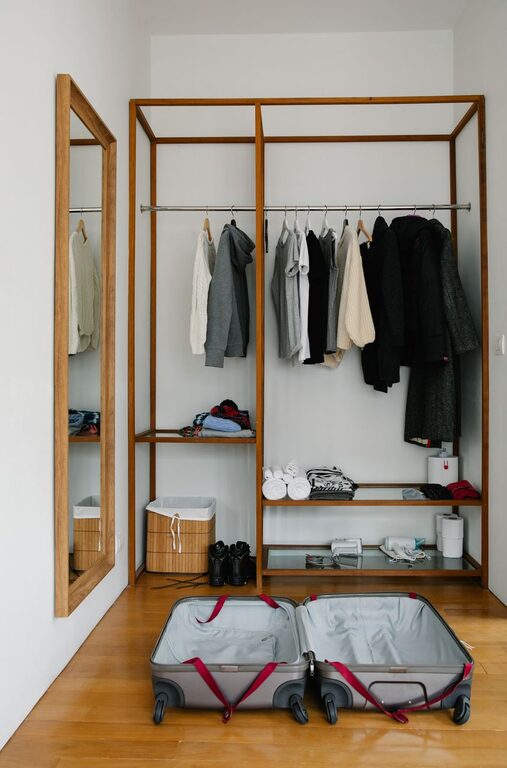
Storing seasonal clothes efficiently can transform your living space and make dressing easier throughout the year. Whether you’re putting away winter coats in the spring or tucking away summer outfits for the fall, having a clear plan helps keep your clothes in great condition and your home clutter-free. In this guide, we’ll explore smart strategies and helpful tips to store seasonal clothing in a way that saves space and preserves your garments.
Why Proper Seasonal Clothes Storage Matters
Keeping seasonal clothes organized isn’t just about tidiness. Proper storage protects your garments from damage caused by dust, moisture, pests, and wrinkles. It also makes it quicker to locate the clothes you need when the seasons change, reducing stress and saving time. Efficient storage optimizes closet and drawer space, which is especially important if you live in a small apartment or have limited storage areas.
Step 1: Sort and Declutter Before Storing
Before you pack away clothes, take the time to sort through your wardrobe. This is a perfect opportunity to declutter by:
– Donating or selling items you no longer wear
– Repairing any damaged pieces like ripped seams or missing buttons
– Washing and drying all items to ensure they’re clean and fresh
This step prevents unpleasant odors and damage and reduces the amount of storage space you’ll need.
Step 2: Choose the Right Storage Containers
Selecting appropriate storage containers is key to preserving your clothes’ quality. Options include:
– Plastic bins with airtight lids: Protect against dust and moisture but ensure they are clean and dry before use.
– Fabric storage bags: Breathable and lightweight, ideal for delicate fabrics but less protective against pests.
– Vacuum-sealed bags: Great for saving space by compressing bulky items like sweaters and coats, but not recommended for garments that need to breathe.
– Under-bed storage boxes: Utilize unused space efficiently for items like shoes or folded clothes.
Label containers clearly by season or clothing type to make retrieval simple.
Step 3: Prepare Clothes for Storage
Proper preparation helps keep clothes in top condition:
– Fold or roll clothes carefully: Folding maintains shape, while rolling can save space and reduce wrinkles for many items.
– Use acid-free tissue paper: Placing tissue paper between folds helps prevent creases.
– Keep items dry: Moisture can cause mildew and odors, so ensure clothes are fully dry before storing.
– Include natural repellents: Cedar blocks, lavender sachets, or mothballs (used cautiously) can help keep pests away while adding a fresh scent.
Avoid hanging heavy winter coats or knitwear during storage to prevent stretching.
Step 4: Optimize Your Storage Space
Maximize every inch of your storage area:
– Stack containers efficiently: Heavier, sturdier bins should go on the bottom with lighter ones on top.
– Use vertical space: Install shelves or hanging organizers in closets or storage rooms.
– Make use of corners and underutilized areas: Corners, under beds, and the tops of wardrobes are perfect for seasonal storage bins.
– Keep frequently accessed items accessible: Items used early or late in the season should be easy to reach without moving everything else.
Step 5: Maintain Proper Storage Conditions
Environmental factors can affect stored clothes:
– Keep storage areas cool and dry: Avoid damp basements or attics prone to temperature extremes.
– Improve ventilation: Circulation helps prevent mold and mildew.
– Check stored clothes periodically: Every few months, inspect for any signs of pests or damage and air out items if necessary.
Regular maintenance keeps your wardrobe fresh and prolongs the life of your garments.
Seasonal Storage Tips for Different Clothing Types
Different fabrics and clothing require special care:
Wool and Knits
Store folded in breathable bags or bins with cedar blocks to prevent moth damage.
Delicates and Silks
Keep in fabric storage bags with acid-free tissue paper. Avoid vacuum-sealing as it can harm delicate fibers.
Leather and Suede
Clean and condition before storing. Use breathable bags to avoid moisture buildup and shape retention forms.
Shoes and Accessories
Use shoe boxes with silica packets to absorb moisture. For accessories, use small labeled containers or divided organizers.
Quick Checklist for Efficient Seasonal Clothes Storage
– [ ] Sort and declutter before storing
– [ ] Clean and dry all clothes thoroughly
– [ ] Repair damaged items
– [ ] Choose suitable storage containers
– [ ] Fold or roll clothes carefully
– [ ] Use natural moth repellents if desired
– [ ] Label containers clearly
– [ ] Store containers in a cool, dry place
– [ ] Inspect stored clothes periodically
Conclusion
Efficiently storing seasonal clothes can free up valuable space and keep your wardrobe organized, fresh, and ready for any season. With a little planning and the right storage solutions, you can protect your garments, reduce clutter, and enjoy a simplified routine whenever you switch your seasonal wardrobe. Whether you’re a minimalist or have an extensive collection, these tips will help you maintain order and make your clothes last longer.
Happy organizing!